PhD in Artificial Intelligence and Medical Imaging – Cardiac Diagnostics
Click here to join now
Fully Funded PhD Position
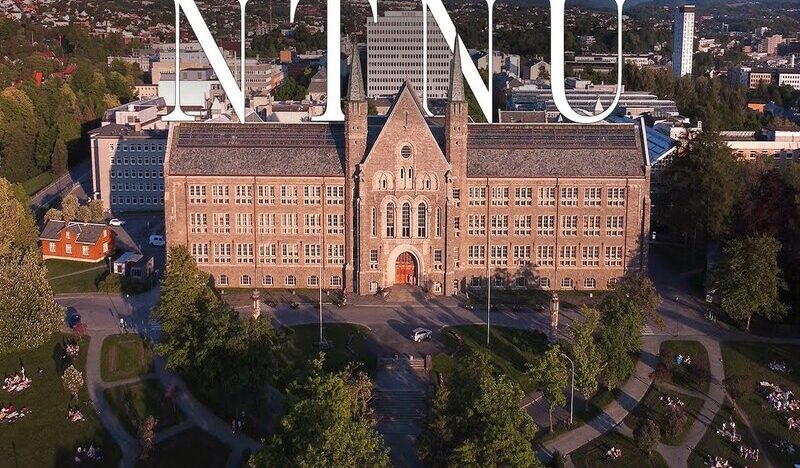
Norwegian University of Science and Technology (NTNU)
Trondheim, Norway
Application Deadline: 20 March 2026
Study Artificial Intelligence for Cardiac Imaging at NTNU
The Norwegian University of Science and Technology (NTNU) is offering a fully funded PhD position in Artificial Intelligence (AI) and Medical Imaging at the Department of Circulation and Medical Imaging within the Faculty of Medicine and Health Sciences.
This doctoral opportunity focuses on AI-driven cardiac diagnostics, combining cutting-edge machine learning techniques with real-world echocardiography and clinical data. The position is based at St. Olavs University Hospital in Trondheim and involves collaboration with leading Norwegian hospitals and research institutions.
NTNU is one of Europe’s top technical-scientific universities, hosting over 43,000 students and 9,000 employees dedicated to research and innovation for societal impact.
Research Project: AI for Multimodal Cardiac Function Assessment
The PhD project, titled:
“Beyond Images – Multimodal Learning for Improved Assessment of Cardiac Function and Outcome Prediction using Artificial Intelligence and Echocardiography”
aims to revolutionize cardiovascular disease diagnosis through advanced AI models.
Research Focus Areas
- Self-supervised learning for echocardiography
- Multimodal machine learning combining imaging and clinical data
- Risk prediction models for cardiovascular diseases
- Explainable AI for medical decision support
- Outcome prediction in heart failure, myocardial infarction, and aortic stenosis
Cardiovascular disease remains the leading cause of death worldwide. While AI has improved measurement automation in cardiac imaging, this project addresses a critical gap: integrated, patient-centered analysis that combines imaging, physiological signals, and demographic data.
The research leverages:
- Large-scale curated echocardiographic datasets (>4,000 normative cases)
- Clinical outcome data from over 10,000 patients
- Population studies including HUNT and Tromsø cohorts
Key Responsibilities
As a PhD Candidate in AI and Medical Imaging, you will:
- Develop self-supervised learning models for cardiac function representation
- Design multimodal fusion architectures integrating imaging, ECG, blood pressure, and clinical data
- Build interpretable AI models for clinical transparency
- Validate predictive AI frameworks across cardiac conditions
- Publish in high-impact journals and present at international conferences
- Complete the NTNU PhD programme in Medicine and Health Sciences
- Write and defend a doctoral thesis
Academic Requirements
Mandatory Qualifications
- Master’s degree (minimum 120 ECTS) in:
- Artificial Intelligence
- Computer Science
- Medical Technology
- Physics
- Applied Mathematics
- Informatics or related technical field
- Strong academic record (equivalent to B or better on NTNU grading scale)
- Programming experience in Python
- Experience with machine learning frameworks (e.g., PyTorch, TensorFlow)
- Admission eligibility for NTNU’s PhD programme
- Excellent written and spoken English
Preferred Qualifications
- Deep learning for medical image analysis
- Self-supervised or representation learning
- Multimodal data fusion
- Large dataset processing
- Research publications
- Knowledge of echocardiography (advantage, not required)
Employment Conditions and Salary
- Position code: PhD Candidate (1017)
- Salary: From NOK 550,800 per year
- 3-year employment (no teaching obligations)
- Pension contributions to Norwegian Public Service Pension Fund
- Access to national employee benefits
Admission to the PhD programme in Medical Technology is required within three months of employment.
Why Study in Trondheim, Norway?
Trondheim is Norway’s technology capital, known for:
- Strong research ecosystem
- Modern European lifestyle
- Clean environment and low crime rates
- Excellent public healthcare and welfare system
- Family-friendly policies and subsidized childcare
- Access to nature and outdoor activities
NTNU promotes diversity, equal opportunity, and inclusive research environments.
Application Documents Required
Applicants must submit:
- Bachelor’s and Master’s transcripts and diplomas
- CV
- Motivation letter
- Master’s thesis (or draft if recently submitted)
- Publications (if applicable)
- Certificates
- Contact details for two academic references
All documents must be submitted electronically before the deadline.
Research Environment and Collaboration
This PhD position includes collaboration between:
- NTNU
- SINTEF Digital
- St. Olavs University Hospital
- Oslo University Hospital
- Sørlandet Hospital
- Tromsø University Hospital
The project operates at the intersection of AI research, medical imaging, cardiovascular medicine, and clinical innovation, offering access to unique national datasets and interdisciplinary expertise.
Career Prospects
Graduates of this PhD programme will gain:
- Advanced expertise in AI for healthcare
- Experience with large-scale clinical data
- Publications in leading AI and medical imaging journals
- International research visibility
- Strong career pathways in academia, healthcare technology, or industry
Contact Information
For academic questions:
Andreas Østvik
Department of Circulation and Medical Imaging
NTNU
For recruitment process inquiries:
HR Advisor, NTNU
If you are passionate about artificial intelligence, medical imaging, and improving cardiac care through multimodal machine learning, this fully funded PhD at NTNU offers a unique opportunity to contribute to the future of digital healthcare.
Apply now at: https://www.jobbnorge.no/en/available-jobs/job/296174/phd-candidate-in-artificial-intelligence-and-medical-imaging